Morning Coffee: Trump's Fed pick is a former Morgan Stanley M&A ED. The loneliness of the prematurely retired banker
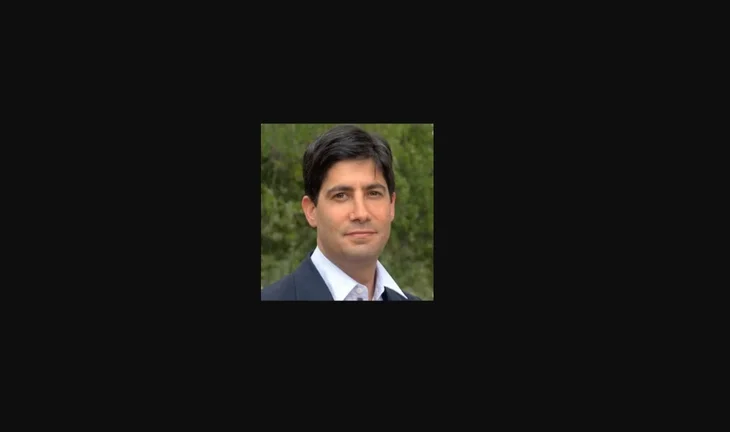
If you don't know Kevin Warsh is, you almost certainly will soon. When Jerome Powell leaves his position as chair of the US Federal Reserve, either next year - when his term ends, or before - if he's fired by Trump, Warsh is expected to replace him.
Who is your Ideal Employer in finance? 💥 Answer our survey for a chance to win $1k
The Wall Street Journal says Trump has already spoken to Warsh at Mar-a-Lago about the possibility of firing Powell and installing Warsh in Powell's place. Trump knows Warsh: he interviewed him for the Fed chair in 2017, but rejected him, and chose Powell instead. Now Trump has belated buyer's remorse and is saying things like “If I want him out, he’ll be out of there real fast, believe me,” of Powell, and reportedly intimating to Warsh that he's a shoo-in for Powell's job in 2026 at the very latest.
None of this can be easy for Powell, who has also been called a "major loser" by Trump on Truth Social and berated for not cutting rates quickly enough. Watching from the sidelines, Warsh - who was historically hawkish and pro-free-trade - would presumably cut rates with precipitousness whenever Trump nods, which is precisely why investors are unnerved, why markets are tanking, and why gold is soaring.
In different circumstances (ie. May 2026 when Powell's term comes to its official end), Warsh might not be such a bad choice as Powell's replacement. Warsh was a member of the Governors of the Board of the Federal Reserve from 2006 to 2011 and helped counsel Ben Bernanke during the last financial crisis. He understands what a collapse of the banking system looks like, even if he hasn't stabilised tremors in the entire dollar-based global financial system before.
Warsh could also be a poster boy for M&A bankers who missed the chance to move into private equity and who can't do so now anyway because the industry is struggling to exit its investments. - Central banking jobs offer an alternative career path. After graduating from Stanford and then Harvard, Warsh began his career in M&A for Morgan Stanley between 1995 and 2002, where he became a vice president and executive director (ED), before pivoting into running the US monetary system instead.
It's not clear why Warsh left Morgan Stanley's M&A team in 2002. It may well have been related to the mass-firings when the dot com bubble burst. Two decades after Warsh joined Morgan Stanley, mass firings in M&A may be back on the cards - all the more so if he's made Fed chair before his time.
Separately, making a lot of money in banking and retiring early is fine in fantasy, but Craig Coben, the former head of APAC global capital markets at Bank of America, suggests disadvantages in reality.
Writing in the Financial Times, Coben says it's not only the sudden disconnection ("My phone lay silent. I was no longer in the game. I wasn’t even on the sidelines"), but the fact that most of your friends and your spouse are not retired and that you end up doing things alone. "Solitude is a tax on carefree independence," says Coben. "Most working friends can manage short escapes but not extended expeditions to far-flung places. My kids have jobs or are in school and have their own lives."
Coben has filled time so far with things like (stimulant-free) dancing to "pulsing beats" beneath "hypnotic lights" and managed to persuade his wife to camp in the snow in Kyrgyzstan. In the three years since leaving BofA he's also trekked and hiked and cycled the globe. For a blueprint of solo-slow travel after a banking career, Coben may want to consult the blogs of Chris Arnade, a former Citi trader who made money during the financial crisis and who now embarks on long walks monthly. A former-finance expeditionary society is waiting to be formed.
Meanwhile...
The White House wants to bring the SEC under its control too. Trumps issued an executive stating that independent agencies set up by Congress and largely independent of presidential control will have to involve the White House at all stages of rulemaking. (Bloomberg)
Scott Bessent and Howard Lutnick engineered Trump's tariff climbdown. (WSJ)
Behind the scenes, there's a "fire Lutnick" movement by Wall Street executives who want to stop Lutnick talking about tariffs and to get him doing innocuous things like travelling around and talking to Chambers of Commerce instead. (NY Post)
BlueCrest is opening in Dubai. (Bloomberg)
Affiliated Managers Group bought a stake in hedge fund Verition and Verition plans to use this money to "accelerate investment in technology, infrastructure, and the continued expansion of our global team.” (Bloomberg)
Hedge funds are hiring yen traders in Asia. (Bloomberg)
Rokos Capital Management was up 4.5% in the first two weeks of April. (Bloomberg)
Oil traders are being struck by the wrong kind of volatility. “A 25% tariff can turn into a 10% or 5% or 2% tariff, or get put off altogether. It has made pricing and managing risk a bit more difficult.” (Bloomberg)
Hard times in private equity. “We aren’t even in a recession now, and we’re already at a point where things are incredibly challenging,” said Hugh MacArthur, chairman for private equity at Bain & Co. (WSJ)
Chinese state backed funds are cutting investments in US private equity. (Financial Times)
The art of keeping your job as a junior banker when things are tough. "Slower periods present openings for junior bankers to think beyond models, data rooms. They may be able to learn more about a specific industry through research and content creation or help identify opportunities for senior banker tracking." You could even "outline an idea for a new piece of industry content, get the theme approved by the senior banker, and contribute to the research and drafting of the piece." (Business Insider)
Goldman Sachs engineers are using AI for code writing, model reviews, and preparing monthly update presentations in bulleted lists. (Business Insider)
Ian Osborne, a venture capitalist and 'power broker' helped get Jes Staley installed as Barclays' CEO. “I propose to call my longtime friend . . . George Osborne’s chief of staff to say that Jes is in the running — and would make the best pick for the job.” (Financial Times)
Have a confidential story, tip, or comment you’d like to share? Contact: +44 7537 182250 (SMS, WhatsApp or voicemail). Telegram: @SarahButcher. Click here to fill in our anonymous form, or email editortips@efinancialcareers.com. Signal also available.
Bear with us if you leave a comment at the bottom of this article: all our comments are moderated by human beings. Sometimes these humans might be asleep, or away from their desks, so it may take a while for your comment to appear. Eventually it will – unless it’s offensive or libellous (in which case it won’t.)